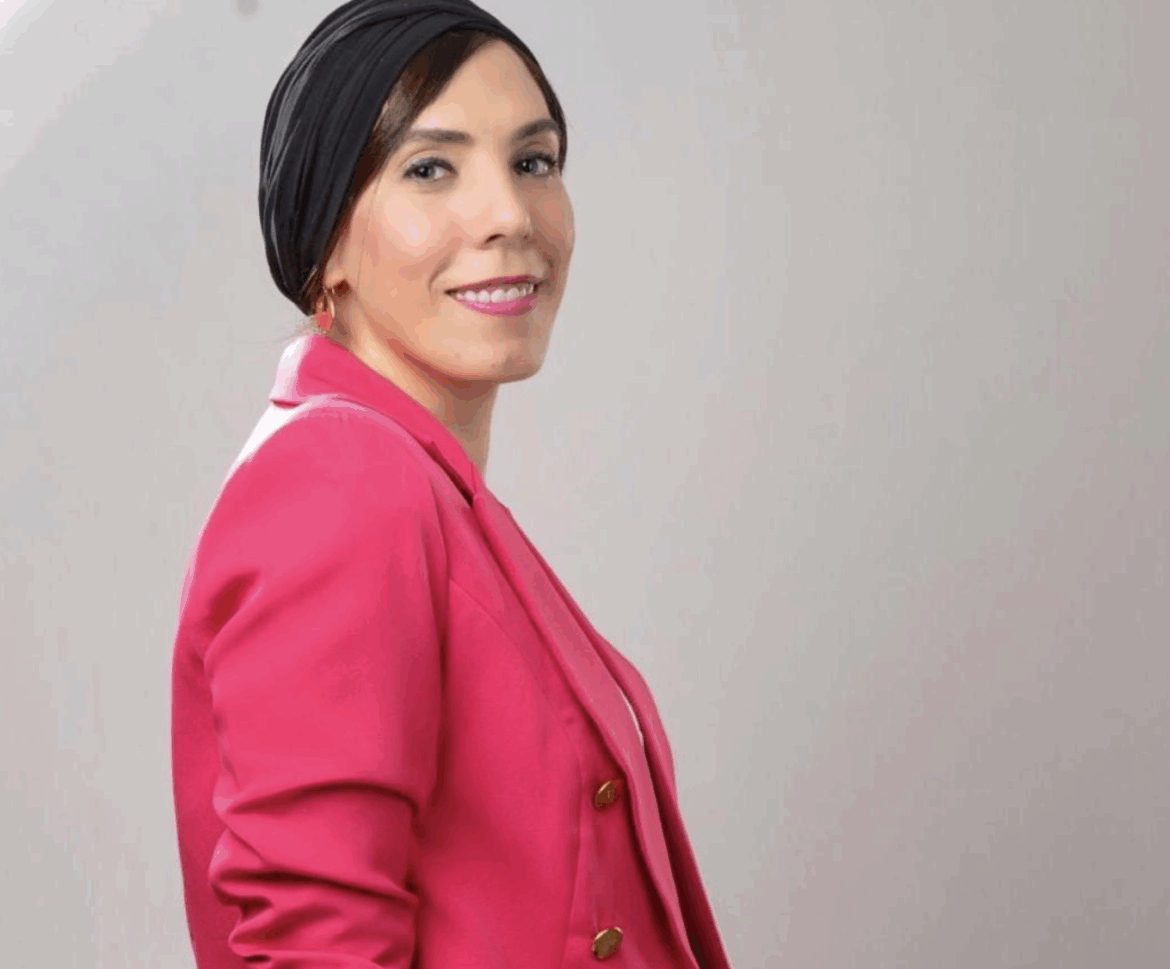
Shereen Badr Alshinawy is not just shaping the art world, she’s reshaping its purpose. A visual artist, curator, entrepreneur, and educator, Shereen has spent nearly two decades championing creativity as a force for dialogue, empowerment, and change. From founding Artoday and co-launching Egypt’s first international art fair connecting art with sustainability, to creating the Empower Her Art Forum (EHAF) to spotlight women artists from across the globe, her mission is clear: to give art, and the women behind it, a louder and more purposeful voice.
In an exclusive interview, Shereen opens up about her artistic journey, the power of cultural exchange, the ongoing challenges facing women artists in the Middle East, and why she believes continuity is her greatest achievement.
You’ve worn many hats: artist, curator, educator, entrepreneur. Which of these identities do you feel most rooted in?
They’re all interconnected. Being an artist taught me expression; as an educator, I share that passion; as a curator, I connect art with audiences; and as an entrepreneur, I build platforms like Artoday to make it all thrive. They’re different aspects of one unified mission: using art as a force for change.
You’ve organized exhibitions from Cairo to Rome and New York. How has your own art evolved through this international exposure?
Though I initially included my own art in exhibitions, my focus shifted to managing and promoting others’ work. I no longer exhibit professionally, but I continue to create academically with my students, keeping my creativity sharp through teaching.
What inspired you to found Artoday, and how has the platform evolved since its inception?
As a child, I wished I could speak every language—then I discovered art as a universal one. That idea became Artoday. It evolved from independent curating in Europe to a formal platform in Egypt, tackling global issues like climate change, launching events like the World Art Forum and Empower Her, and empowering youth and artists globally.
You founded Empower Her Art Forum in 2023 to support women artists. What challenges do women still face in the art world, particularly in the Middle East?
Women face underrepresentation, societal expectations, limited networks, and market bias. Some even face censorship. EHAF was created to confront these challenges by providing visibility, mentorship, and platforms for women artists worldwide.
What impact have you seen since the launch of Empower Her? Can you share a memorable success story?
EHAF grew quickly—its third edition included over 50 countries. It’s become a space for women artists to address issues like climate change through creative expression. A highlight was partnering with the Women’s Museum in Bonn, enabling five Egyptian artists to participate in a cultural exchange program.
Do you feel artists in the region are finally getting the global recognition they deserve?
Progress is happening, but there’s more to achieve. Artoday helps by curating international exhibitions, joining global events like Documenta 15 and COP27, and creating platforms like EHAF to elevate regional voices and integrate them into global discourse.
You’ve taught art for nearly two decades at the American International School in Cairo. What do your students teach you?
They remind me of the joy and fearlessness of creating. Their curiosity and resilience inspire me to stay experimental and passionate. Teaching them constantly renews my own love for art.
You’ve received recognition from institutions in India, Germany, and Egypt. What achievement are you most proud of?
Continuity. Success isn’t just about achievement—it’s about sustaining it. Through obstacles, I stayed committed to building Artoday and staying true to my purpose. That perseverance is my greatest accomplishment.
If you could change one thing about the art industry in Egypt or the wider Arab region, what would it be?
I’d shift the perception of art from luxury to necessity. Art is a tool for critical thinking, social change, and economic growth. We need policies and investment that recognize its role in national development and human progress.
By Victor Gee.