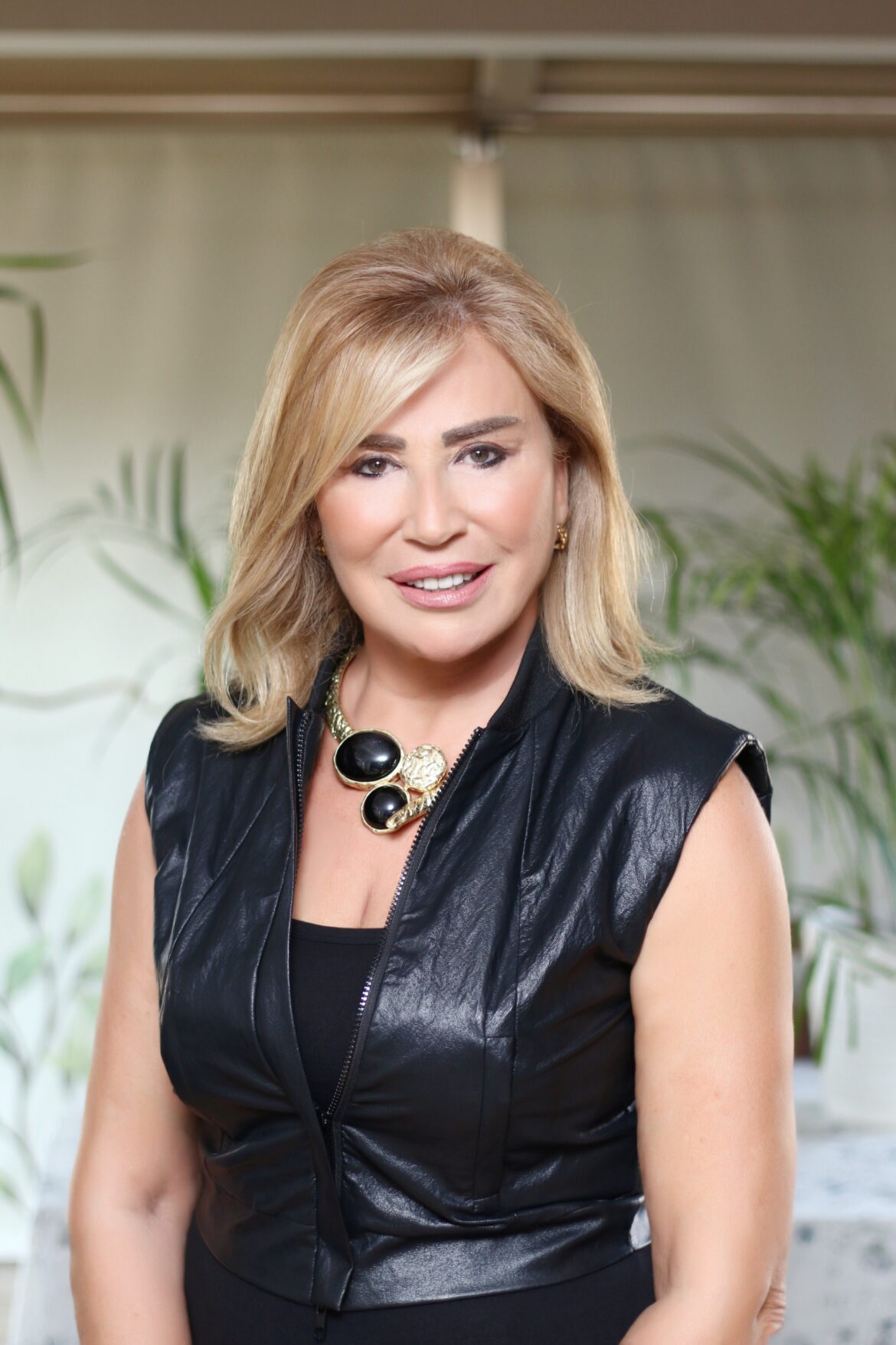
As the spotlight of the Cannes Film Festival sweeps across the Croisette, we meet Inas El Degheidy—Egyptian director, television presenter, and one of Arab cinema’s most fearless voices. Known for tackling bold, often controversial subjects, she has built a career on pushing boundaries and telling women’s stories with nuance and power.
In a candid conversation, El Degheidy reflects on the evolution of Arab film, her artistic journey, and the responsibility of mentoring the next generation—offering rare insight into the mind of a true cinematic pioneer.
How has the film industry in Egypt and the Arab world changed over the past 10 years?
The industry has evolved significantly. Technological advancements and easier access to global content have transformed how people watch films. A decade ago, accessing international cinema—French, Italian, Russian—was much more difficult. Now, the internet has made it easy to discover diverse voices and styles. The whole landscape has opened up.
How has your own career and approach to filmmaking evolved?
I never initially set out to be a filmmaker. But once I immersed myself in the arts and learned the craft, I became deeply passionate about storytelling. Over the years, I’ve created both commercially accessible films and socially critical ones. As I’ve grown, so has my vision. My work has matured to reflect deeper concerns and more layered narratives.
What are some of the main challenges Arab filmmakers face today?
Censorship, limited funding, and difficulties with distribution are persistent obstacles. Additionally, cultural sensitivities—especially around topics like sexuality—can restrict creative expression. To move forward, we need more openness and constructive dialogue around these themes.
How do you view the role of emerging actors and filmmakers in the industry?
I fully support young talent. Working with younger directors and actors brings fresh energy and perspectives. It’s important to create space for them, to guide and encourage them. They are the future of Arab cinema.
How would you describe the dynamics between established and emerging filmmakers?
There’s sometimes an undercurrent of rivalry between generations. But with time, this tension fades. Veteran filmmakers become more secure in their legacy, while younger ones gain confidence and credibility. I see more collaboration now—a stronger sense of community and mutual learning.
What are your thoughts on the representation of women in Arab cinema?
From the beginning, I’ve been committed to portraying strong, complex female characters. I reject one-dimensional or stereotypical portrayals. There’s been progress, but we still have a long way to go in achieving more nuanced and authentic representation.
How do you approach addressing social and political issues in your films?
Some of my films have stirred controversy, but I believe it’s a filmmaker’s duty to confront difficult truths. I try to present issues in a way that invites reflection and dialogue, without dictating a single viewpoint. The goal is to provoke thought—not just provoke.
What advice would you give to aspiring Arab filmmakers?
Stay true to your voice. Don’t let commercial pressure or societal expectations dilute your vision. Take risks. Be bold. Tackle important issues—but do so with care, thoughtfulness, and respect for your audience.
How have you seen relationships evolve within the Arab filmmaking community?
In the early days, competition between filmmakers was more pronounced. But over time, egos soften and respect deepens. Today, I see a more unified and supportive industry—one where experience and innovation can coexist and enrich each other.
By Victor Gee